
Aquatic Engineering for High-End Projects
36 Years of engineering experience.
Thirty-six years of aquatic work means we have likely already solved the problems your project will present. Structural loads, hydraulic performance, and equipment sizing get calculated for your specific project needs. Vessel geometry, water volume, turnover requirements, and site conditions all drive the numbers, and experience tells us which of them will cause trouble before the calculations do. What we hand over is documentation your contractor can build from and your reviewer can confidently approve.
Expertise with Luxury Aquatic Features
Stainless steel vessels, structural acrylic, movable floors, vanishing edges, and engineered water walls each carry requirements a general engineering team rarely sees. We have resolved them repeatedly, so the constraints are known going in rather than discovered mid-project.
We Help You with Code Compliance
Aquatic code varies by country, state, and municipality, and it governs everything from barrier requirements to circulation rates. We partner with in-region engineering consultants so every specification we produce meets the exact requirements where you are building.
"*" indicates required fields
The Next Generation of Aquatic Design
- We calculate structure, hydraulics, and equipment for your specific project
- Architects and developers trust us to help engineer their project from start to finish
- We identify potential delays, design and material issues that your team might miss.
who we engineer for
Have A Project In Mind? Bring us the site, the scope, and the constraints. We will tell you what can be designed and what it will take to build it.

Homeowners
You want something that has not been built before, and the contractors you have talked to keep trying to talk you out of it. We engineer the pool or water feature you actually want, then give your builder the drawings and specifications to execute it. You get an expert on your side of the table before construction starts.
Architects
The aquatic element is often the one piece of the project your consultants and team have the most questions about. We take on the structural, hydraulic, and equipment engineering, coordinate it against your drawings, and return documentation that fits into your set.
Developers
Aquatic work is where schedules slip and budgets move. Incorrect equipment, structural conflicts discovered in the field, and failed plan reviews all trace back to engineering that was not completely thought through at the early stages of the project. We resolve these issues before construction so you avoid costly delays or missed deadlines.
What we engineer
Pools, Vessels & Water Features
We engineer the full range of aquatic systems, from custom pool vessels and overflow systems to sculptural water features and integrated spa installations. Every project receives detailed structural, mechanical, and hydraulic engineering tailored to its specific geometry, site conditions, and performance requirements.
Architecturally Integrated & Elevated Applications
Rooftop pools, cantilevered vanishing edges, structural acrylic, and vessels that sit inside or above occupied space. These carry loads, waterproofing requirements, and deflection limits that a standard pool does not, and the engineering has to coordinate with the building’s structure rather than sit beside it. We work directly with your structural engineer and architect so the aquatic element is designed as part of the building not an afterthought.
Renovations & Technical Upgrades
Existing pools bring constraints a new build never faces. Original drawings are often missing, structures have moved, and equipment was sized for a system that no longer exists. We assess what is actually there, determine what can be reused and what has to be replaced, and engineer the upgrade around those conditions. Filtration replacements, hydraulic corrections, vessel repairs, and code updates all fall under this.

From initial Drawing To fully Engineered design
Want us to take a look at your project? One call covers the scope, the site conditions, and the engineering the project will require.

what you send us
A site plan showing where the pool goes and roughly what shape it takes is enough to start. We’ll handle all the structural calculations, hydraulic design and equipment sizing.
what you get back
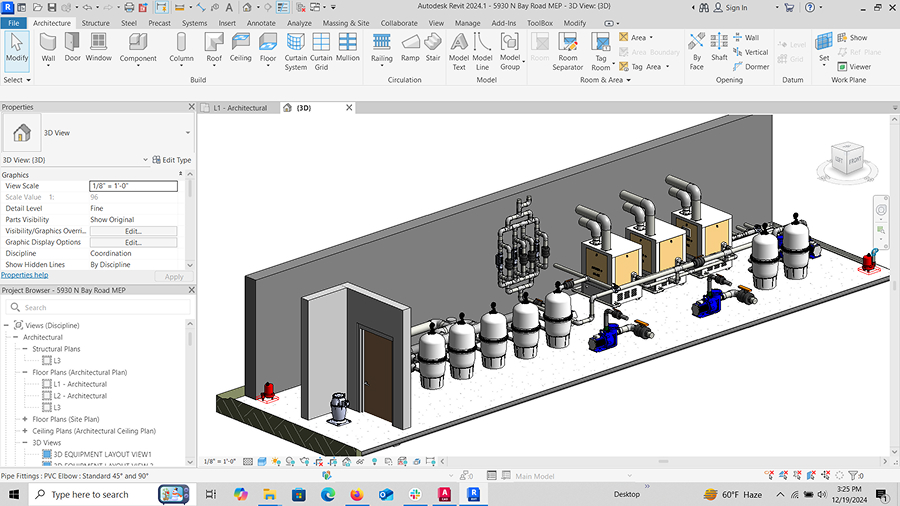
A complete engineered system, modeled in 3D. Filtration, pumps, heaters, chemical treatment, and every run of pipe between them, laid out to fit the actual space with clearances for service and replacement. Your contractor builds from the model rather than interpreting a schematic, and the equipment room gets built once, at the right size, in the right place.
What you get
A Clear Path Forward
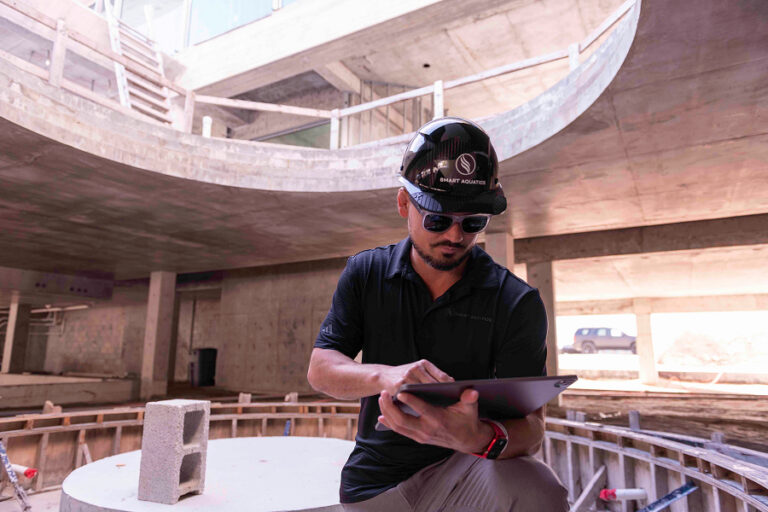
Every engagement opens with a working session on your project. We review the scope, the site conditions, and the technical demands before anything gets calculated. You leave knowing what the project requires, what it will take to engineer, and where the real constraints are.
Drawings You Can Count On
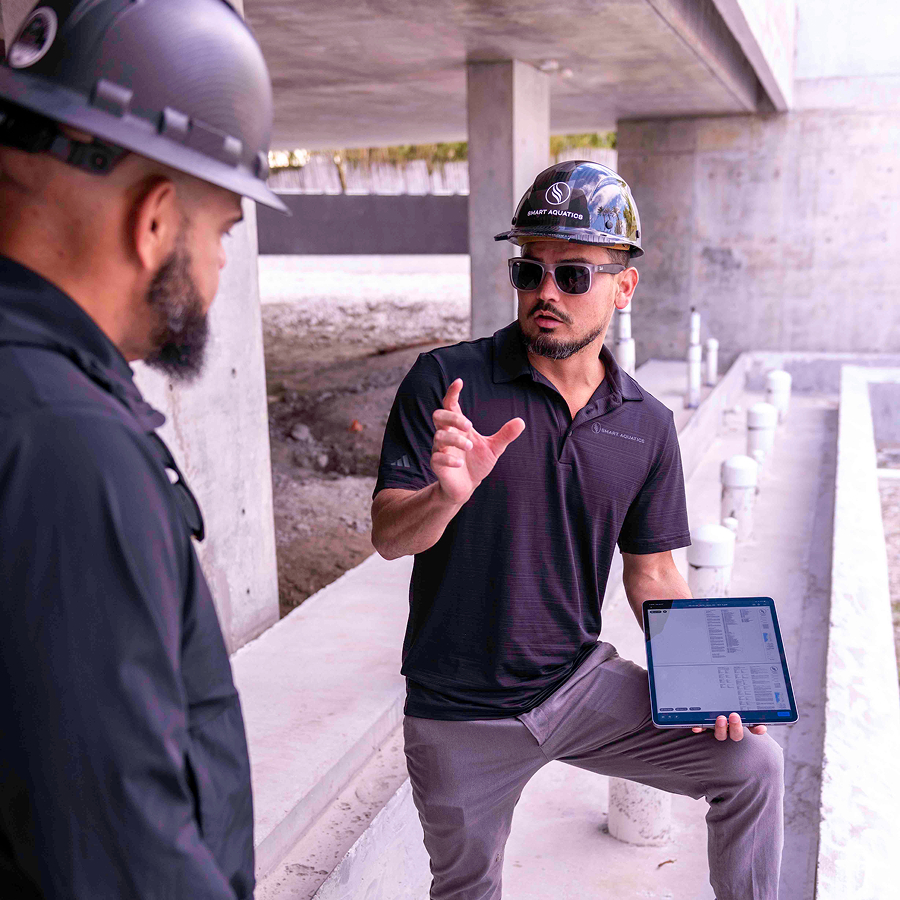
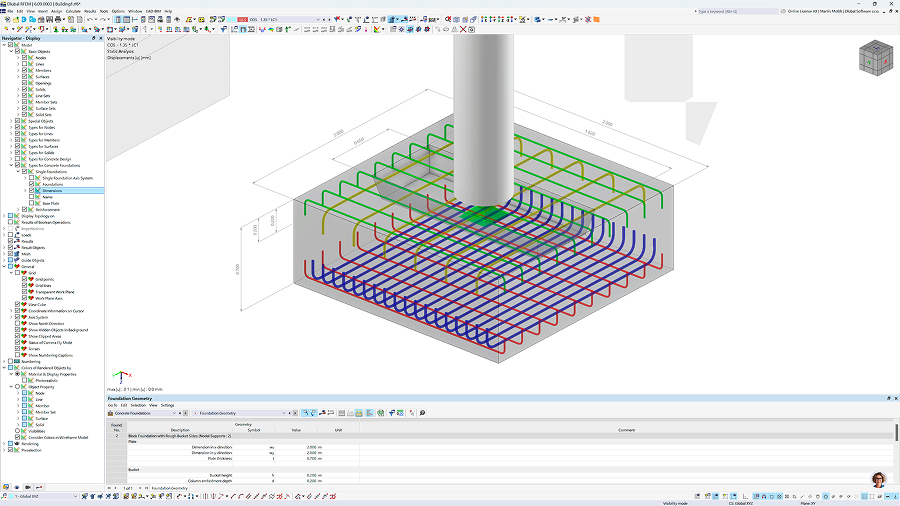
We produce the engineering documentation your team needs to move forward. Structural calculations, hydraulic design, material specifications, and equipment layouts are all resolved on paper first. Nothing gets left to be figured out on the job site.
Coordination with team
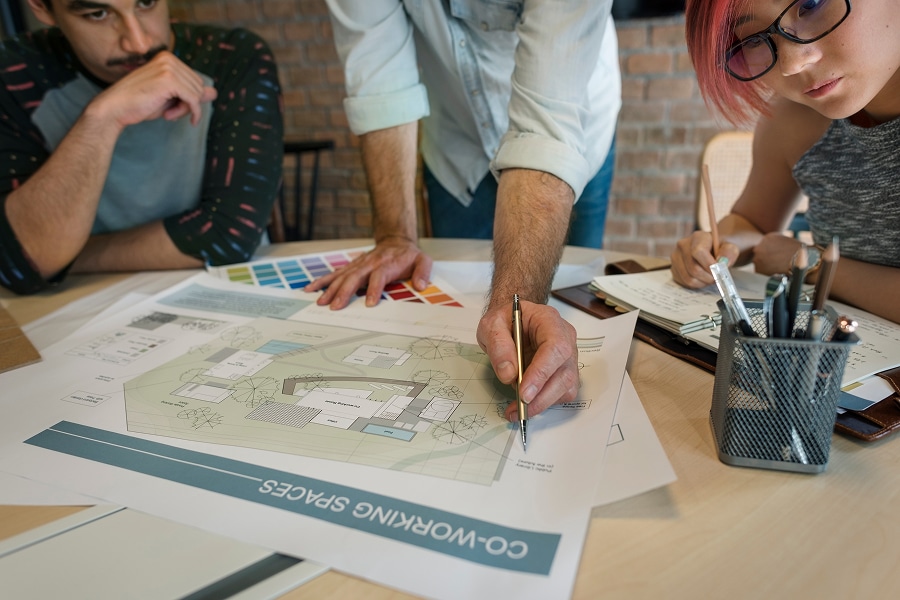
Aquatic work touches architecture, structure, mechanical, and landscape all at once. We sit inside your existing project team and manage the points where those disciplines converge, so conflicts get caught in coordination rather than on site.
Ongoing support
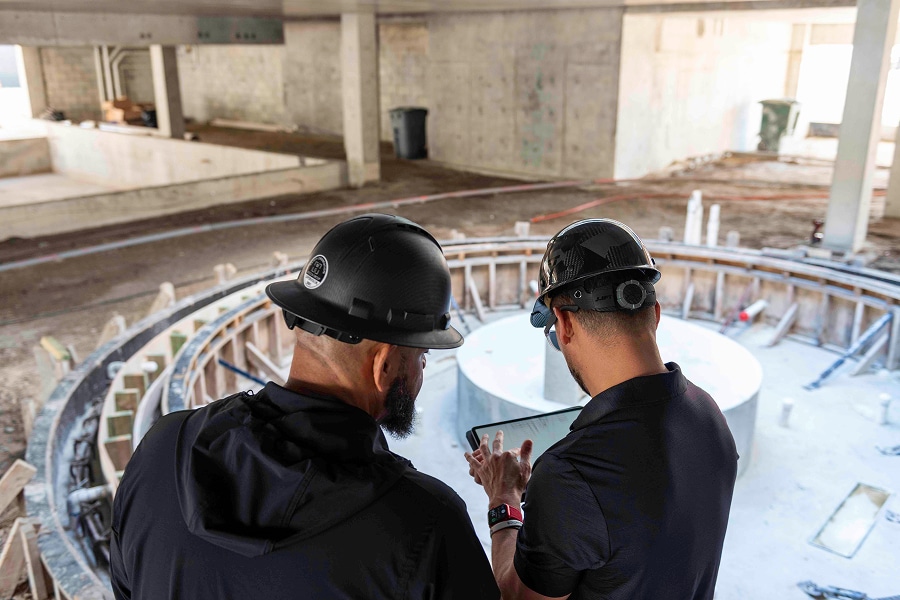
Our involvement carries through construction. We stay in contact with your contractor, answer the questions that come up in the field, and confirm the installed work matches what was engineered. Construction management and quality control are available as well throughout the entire process.
How We Support You
Answers When you need them
Construction turns up conditions no drawing predicted. A conflict in the slab, a change in the equipment package, a detail that reads two ways. Your contractor reaches us directly and gets an answer from the person who engineered it, not a ticket in a queue.
Shop Drawing Review
Fabricators and suppliers produce their own drawings from our documentation, and what comes back does not always match what was specified. We review those submittals against the engineering, flag the deviations, and confirm what gets fabricated is what the system actually requires.
Verification Throughout Construction
We stay involved as the work goes in. Questions from the field come straight to us, and we review what gets installed against what was engineered.
Types of Projects We Engineer
Residential
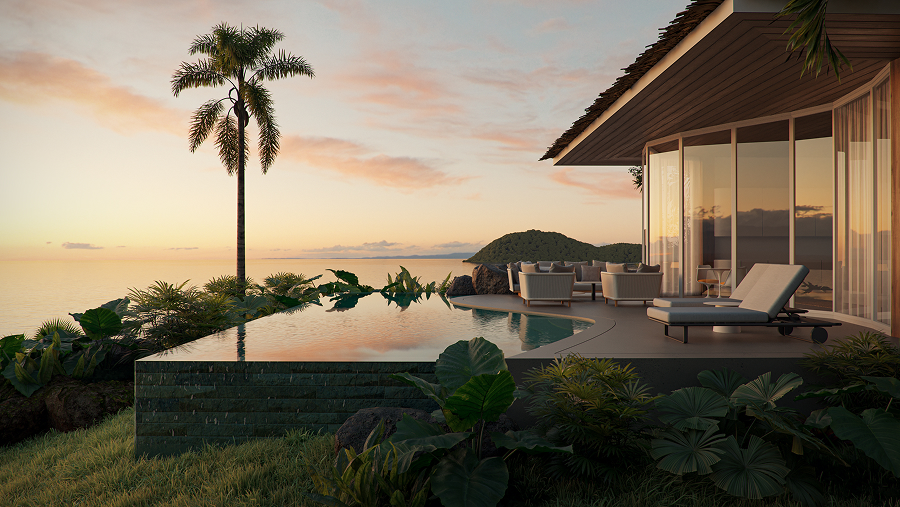
Private projects can be where some of the most ambitious aquatic ideas show up, and where the site gives you the least room to execute them. Existing structures, tight setbacks, difficult grades can all constrain what can be built. We engineer around those conditions rather than asking for the overall design to change, resolving structure, hydraulics, and equipment for the property as it actually exists. The result is a system that performs quietly and stays serviceable for decades.
- Vanishing edges, perimeter overflow, and elevated spas engineered for the actual grade
- Equipment sized and located to fit the space available on the property
- Systems designed for how a private residence is used and maintained
Commercial
Hotels, resorts, and multi-family developments carry requirements a private pool never has to deal with. We design these systems to pass review, handle peak load, and stay operable for the staff who run them daily.
- Circulation and filtration sized to bather load and code-required turnover
- Structural engineering for rooftop, podium, and elevated installations
- Equipment rooms and vaults laid out for daily operation and service access

Wellness
Cold plunges, hot therapy pools, hammams, and vitality circuits each run at temperatures and chemistries that standard pool equipment is not built for. We engineer these systems around the specific therapeutic use, so the water holds its temperature, holds its chemistry, and does not destroy the equipment keeping it there.
- Heating, chilling, and turnover engineered for small-volume therapy vessels
- Material and equipment selection for high-temperature and high-corrosion conditions
- Sanitation and water quality designed for concentrated bather load
How we Engineer
01.Structural Engineering
- How we turn complex aquatic concepts into buildable realities.
- Why top architects and developers choose Smart Aquatics.
- What sets our process apart—precision meets creativity.
02.Mechanical & Hydraulic Design
Circulation, filtration, heating, and chemical treatment are one system, and sizing any part of it wrong shows up everywhere else. We calculate turnover, flow, and equipment capacity for your specific vessel, then lay out the mechanical space so it can be serviced.
- Turnover and flow calculated to vessel volume, geometry, and bather load
- Pump, filter, and heater selection sized to real head loss, not generic rules of thumb
- Equipment rooms and vaults laid out with clearances for service and replacement
03.Electrical & Automation Systems
Power, bonding, lighting, and controls get designed alongside the mechanical system rather than added to it. We coordinate the electrical requirements with your engineer and specify automation that gives the operator real control over temperature, chemistry, lighting, and water features.
- Bonding, grounding, and electrical requirements coordinated to code
- Underwater and architectural lighting integrated into the design, not added after
- Automation and controls specified for the people who will actually operate the system
04.Technical Coordination
Aquatic systems touch architecture, structure, mechanical, electrical, and landscape at once, and most project problems happen where two disciplines meet. We work directly with your consultants throughout, resolving conflicts in coordination rather than in the field.
- Direct coordination with architects, structural engineers, and MEP consultants
- Conflicts resolved in the model before they become field changes
- Documentation issued in a format that integrates with your existing set
05.Computational Fluid Dynamics (CFD Analysis)
For projects where flow behavior cannot be predicted by calculation alone, we model the water itself. CFD shows how circulation actually moves through the vessel, where dead zones form, and how a vanishing edge or overflow performs before anything is built.
- Circulation patterns modeled to find dead zones and short-circuiting before construction
- Vanishing edge, overflow, and weir behavior simulated at design flow rates
- Return and inlet placement validated against modeled flow rather than assumed
Same Equipment. Different outcomes.
Have a project that demands specialized aquatic expertise? Our team is ready to talk scope, timeline, and the next steps to get your build moving.
why this Plan loses
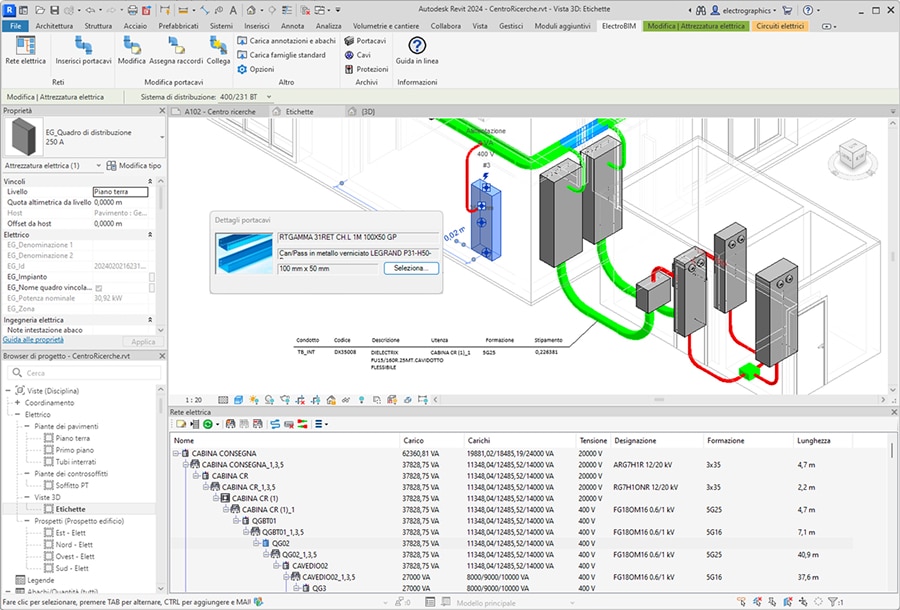
The equipment room was sized by the architect before anyone knew what was going in it. Everything technically fits, but there is no room to pull a filter, no clear path to the heater, and the pipe runs got routed around obstacles instead of designed.
- Mechanical space sized before the system was engineered
- Pipe routed around obstructions rather than laid out deliberately
- No clearance to service or replace equipment once it is installed
Why our Plan wins
We size the mechanical space from the system, not the other way around. Every component is modeled in place with the clearances a technician actually needs, and the pipe runs are designed for flow before they are designed for fit. The contractor builds from the model, and the people maintaining it can reach everything.
- Space sized from the engineered system, then coordinated with the architecture
- Pipe runs laid out for hydraulic performance, not routed around obstacles
- Service and replacement clearances built into the layout from the start
Our engineering Technology
Stainless Steel Vessels
Durable, elegant, and adaptable, stainless steel pools and spas are engineered for precision and longevity. Resistant to corrosion and structural fatigue, they offer a lightweight, watertight solution ideal for rooftops, interiors, and high-performance applications.
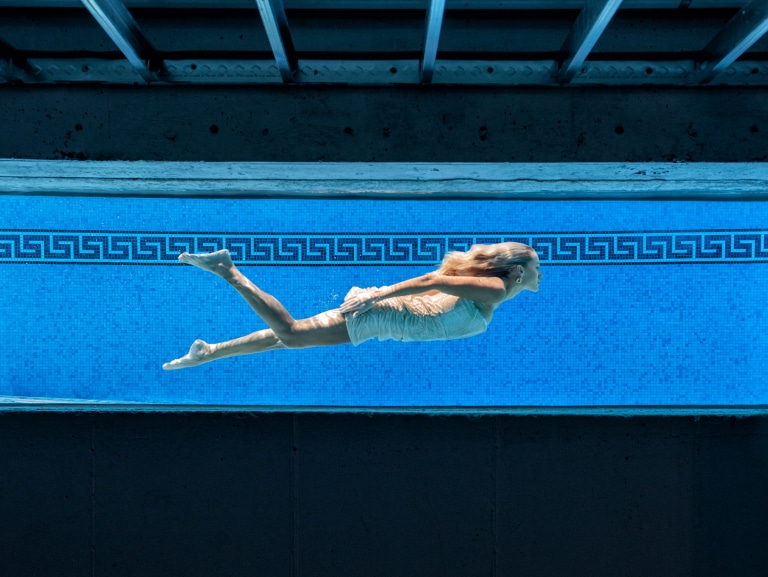
Acrylic Panels & Floors
Structural acrylic turns a wall or floor into a viewing surface, but it is a structural element first. Panel thickness, deflection limits, edge restraint, and the frame carrying the load all have to be engineered before fabrication begins. We resolve the structure and the optics together, then coordinate with fabrication partners to produce a panel that performs as designed.
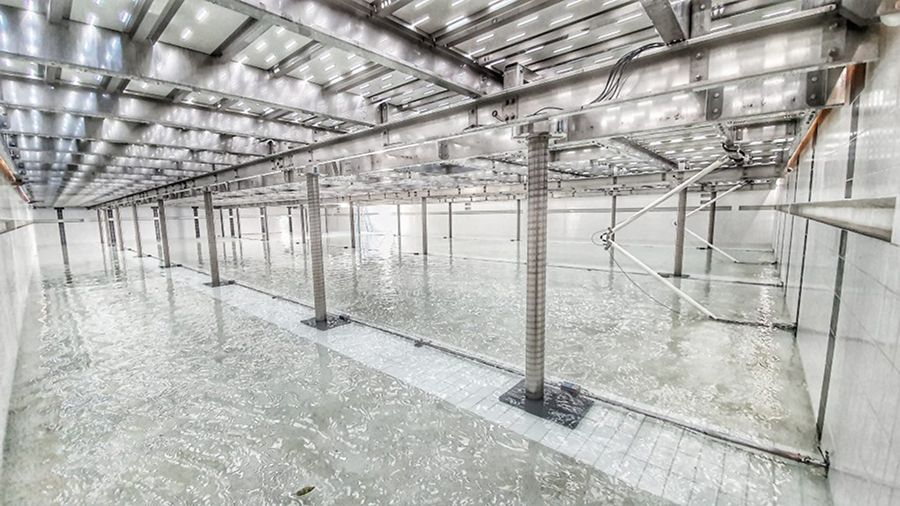
Movable Pool Floors
A movable floor lets one vessel serve as a deep pool, a shallow one, or a solid deck. The mechanism drives the engineering: floor structure, drive systems, edge tolerances, hydraulic behavior above and below the deck, and the safety and control logic governing it. We design the system and review installation, working with the fabrication partners who build it.
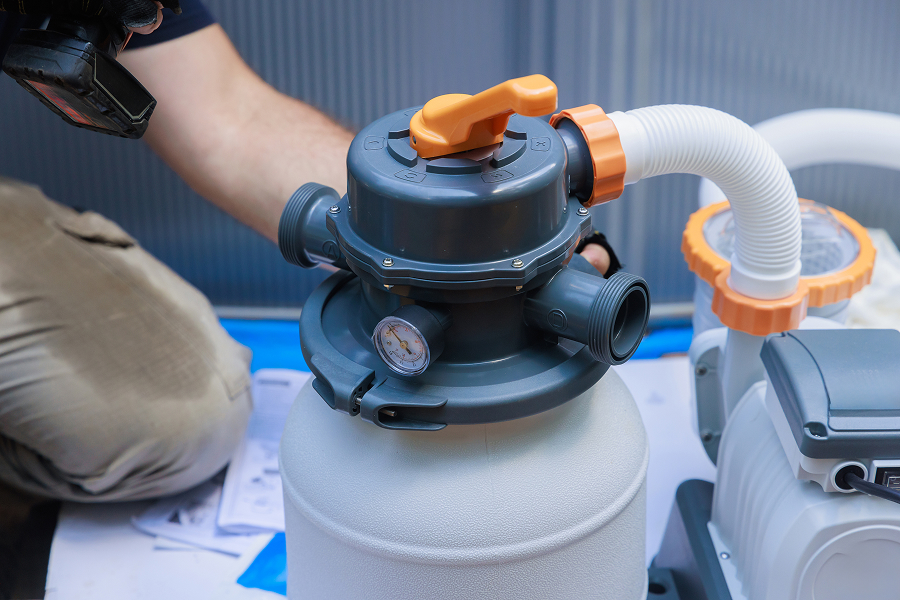
Advanced Mechanical Water Systems
Water quality is a function of how the system was sized, not how often it is cleaned. Turnover rate, flow, filtration media, and inlet and return placement determine whether a vessel actually circulates or just moves water past a drain. We calculate these against the specific geometry and bather load, and specify treatment appropriate to the vessel material and use.

Automated Floating Pool Covers
Some projects cannot be served by packaged equipment. Multi-vessel resorts, heat recovery between vessels, complex chemistry across therapy pools, and equipment spread across separated plant rooms all require a system built for that project. We engineer the mechanical design as a whole, including the equipment rooms and vaults it lives in.
our work

Siesta Key Residence

SW Ranches Residence

Parkland Residence

Golden Beach Residence

Lamborghini Pool

Tarpon isle

Mykonos Residence
Why we stand out
Unmatched Technical Expertise
With decades of hands-on experience, we solve complex design challenges others can’t. We engineer water systems that perform flawlessly under the even the most demanding conditions.
Architectural Collaboration
We speak the language of architects, designers, and builders, integrating our work into high-end projects while preserving aesthetic integrity and design intent.
Innovation Without Limits
From movable floors to acrylic structures, our team embraces emerging technologies to push the boundaries of what water can do in modern design.
How It Works
Every project starts with a conversation about your site and your specific engineering challenges
Schedule a call
We review your project, your site, and the aquatic scope your team needs resolved. You leave the call knowing whether we are a fit and what the engineering will involve.
Engineering and Documentation
We calculate the structure, hydraulics, and equipment for your specific project and model the system in 3D. You get drawings and specifications your contractor can build from and your reviewer can approve.
support during construction
We stay on the project after the drawings are issued, answering questions from the field and offering our expertise as your project progresses.
on-site when it matters
We provide on-site construction administration to support proper execution of the engineering design.
This includes site visits, coordination with contractors, and responding to field conditions to ensure the work is built in accordance with the design intent.
Trusted by the Visionaries We Serve
“I have worked with Smart Aquatics for a few years now and I all I can say is these guys deliver! They have worked with us from the conceptuals to engineered plans and definitely still on board to see their vision through. Jonny is at the helm and a tried and true veteran and his communication is the best of the best. His team is very broad with a long arm. I usually deal with Bruna on the invoicing and coordination of teams calls and she is wonderful. So many talented designers on board. Simon and the whole team will deliver every time on time. I would give Smart Aquatics 10 stars if that was possible!”
“Loved working with Jonny. Very detailed and innovative company. If you’re looking to build a custom project this should be your first call, they will get you on the right path and support you throughout the build.”
FAQs
Still have questions? Read All FAQs
Do you stamp drawings?
Ask us about your jurisdiction. Aquatic engineering requirements vary by state and country, and we partner with in-region engineering consultants to ensure every specification we produce meets local requirements. Tell us where you are building and we will tell you exactly how the documentation will be handled.
We already have an engineer on the project. Where do you fit?
Alongside them. Most structural and MEP engineers do not specialize in aquatic systems, and that scope tends to sit unresolved until late. We take on the aquatic engineering, coordinate it against their work, and issue documentation that integrates with the existing set.
How early do you need to be involved?
Before the mechanical space is sized and before the structure is set. Aquatic systems drive equipment room dimensions, structural loads, and utility requirements, and those get locked in early. Coming in after they are fixed means designing the system around decisions that were made without it.
Can you engineer a design someone else produced?
Yes, and it is common. We review the design, calculate what it takes to build, and tell you where it works and where it does not. If something in the concept cannot be built as drawn, you hear it from us before it becomes a change order.
What do you actually deliver?
Structural calculations, hydraulic design, equipment specifications and layouts, and 3D models of the mechanical systems. Your contractor builds from the documentation and your reviewer approves from it.
Still have questions?
Tell us about your project
Send us whatever you have, even if its just a rough sketch and we’ll let you know what it will take to build.