
Custom Acrylic Pool Panels For Residential & Commercial Projects
Engineering Comes First
Panel thickness is not a catalog choice. It comes out of water depth, panel span, edge restraint, and how much deflection the design can tolerate. We run those calculations first, then hand the fabrication partner a specification rather than a request. Nothing gets ordered until the structure behind it is resolved.
The Frame that holdt he panel
Acrylic fails at its edges, not in the middle. The surrounding structure has to hold the panel, allow for thermal movement, seal permanently, and transfer load into the shell without concentrating it anywhere. Most acrylic problems trace back to what was built around the panel rather than the panel itself.
Clarity That Lasts
Acrylic scratches, yellows under UV, and clouds when it is cleaned with the wrong chemicals. We specify the grade, the coatings, and the maintenance approach for the actual exposure the panel will face, so the view in year ten looks like the view on day one.
"*" indicates required fields
The Next Generation of Aquatic Design
- We engineer acrylic panels for your specific vessel, water depth, and span
- We design the supporting structure that carries the panel and seals it permanently
- We specify the grade and finish that keeps the acrylic clear for decades
Who This Is For
Have A Project In Mind? Bring us the site, the scope, and the constraints. We will tell you what can be designed and what it will take to build it.

Homeowners
You want something that has not been built before, and the contractors you have talked to keep steering you toward what is easy. We engineer the pool or water feature you actually want, then give your builder the drawings and specifications to execute it. You get an expert on your side of the table before construction starts.
Architects
The aquatic element is often the one piece of the project your consultants cannot resolve. We take on the structural, hydraulic, and equipment engineering, coordinate it against your drawings, and return documentation that fits into your set. Your design intent stays intact and your team stops absorbing a scope it was never staffed for.
Developers
Aquatic work is where schedules slip and budgets move. Undersized equipment, structural conflicts discovered in the field, and failed plan reviews all trace back to engineering that was not resolved early enough. We resolve it before construction, so the aquatic scope stops being the item you have to manage.
International Team.
Global Projects
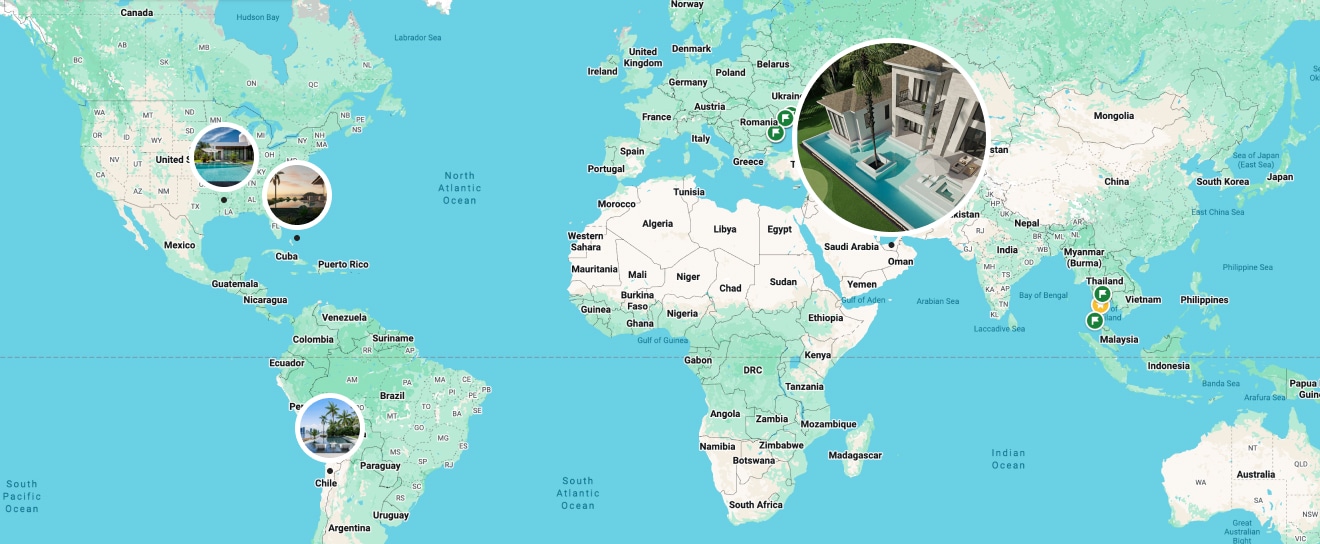
Our team works from Lebanon, France, Montreal, and the United States, with completed projects spanning five countries. Whatever your design calls for we’re steady to meet your specific needs.
Full-Service Acrylic Solutions
Design & Consultation
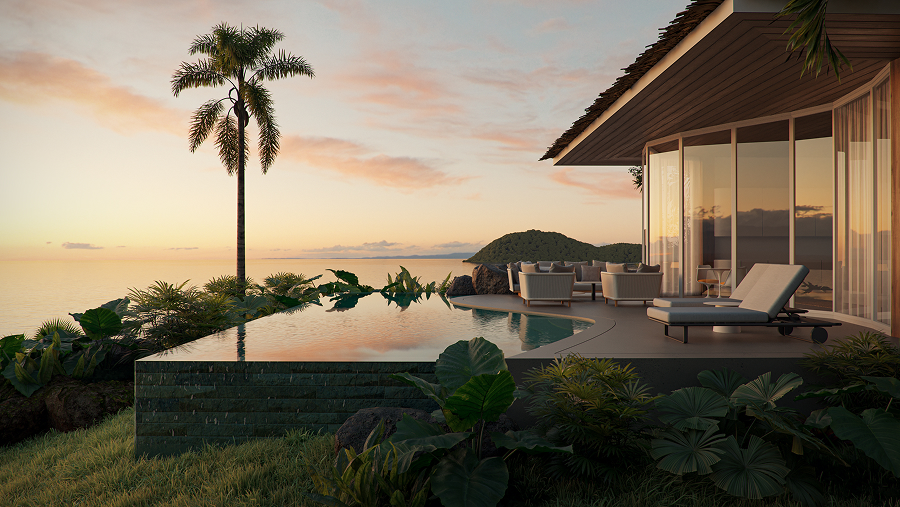
Acrylic changes what a pool can be, but it also changes what the pool costs and how it gets built. We start by working out whether acrylic is the right answer for what you are after, and if it is, what form it should take. A viewing window, a full transparent wall, an acrylic floor over occupied space, and a swim-up window all carry different structural and budget consequences. You get a straight answer on feasibility before anyone commits to a direction.
- Feasibility and cost implications assessed before the design is set
- Panel size, shape, and placement worked out against the architecture
- Alternatives raised honestly when acrylic is not the right solution
Structural Engineering
This is where the panel actually gets determined. Thickness comes out of water depth, unsupported span, and the deflection the design can tolerate, and the surrounding structure has to carry that load into the shell without concentrating it. We run the calculations for your specific vessel and produce a specification the fabricator can build to.
- Panel thickness and deflection calculated for your water depth and span
- Supporting structure engineered to carry and restrain the panel
- Thermal movement and long-term loading accounted for in the detail

Shop Drawings
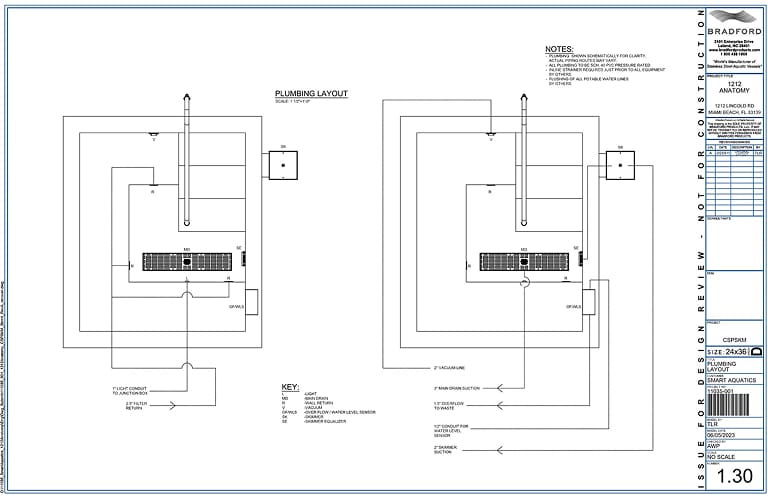
Fabricators build from shop drawings, not from concepts. We produce the documentation that defines panel geometry, edge treatment, tolerances, and the interface between the acrylic and everything it meets. When the drawings are precise, the panel arrives on site and fits.
- Panel geometry, edges, and tolerances fully dimensioned
- Interfaces with shell, coping, and finishes detailed before fabrication
- Documentation coordinated with the fabrication partner's requirements
Project Coordination
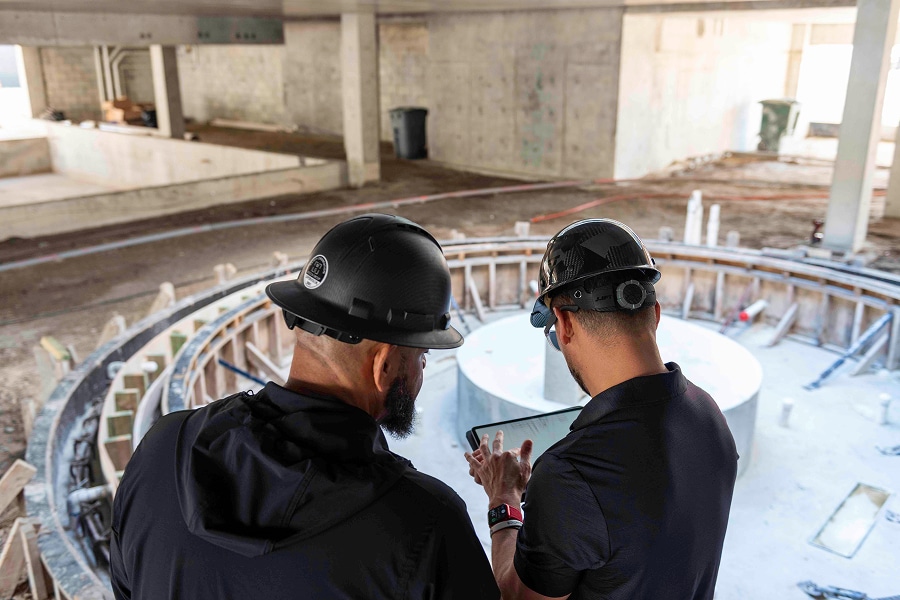
An acrylic panel involves a fabricator, a pool contractor, a structural engineer, and the general contractor, and the panel sits at the point where all of them meet. We manage that intersection, reviewing submittals against the engineering and making sure the opening built on site matches the panel being manufactured off it.
- Submittals reviewed against the engineering before fabrication proceeds
- Fabrication and site work sequenced so the opening and panel match
- Conflicts between trades resolved before the panel arrives
Installation & Support
Acrylic installation is unforgiving. The panel is heavy, expensive, and impossible to adjust once it is set, so the sequence and the site conditions have to be right beforehand. We support the installing contractor through the process and stay available for questions on handling, sealing, and commissioning.
- Installation sequence and site readiness reviewed before delivery
- Handling, setting, and sealing guidance provided to the installing contractor
- Support through commissioning and initial fill
Why Acrylic Projects Fail
The Panel Was Sized Before The Structure Was
Someone picks a panel dimension from a rendering, and the engineering has to catch up to it. By then the opening is drawn, the shell is detailed, and the thickness the calculations actually require will not fit what has been built around it. The fix is either a smaller window than the client approved or a structure that has to be redesigned late into the process.
The Opening And The Panel Do Not Match
The panel is fabricated off site to fixed dimensions while the shell is built on site to construction tolerances. Nobody reconciles the two until the panel arrives. An acrylic panel cannot be trimmed, shimmed, or adjusted, so usually the opening will have to be rebuilt instead of resizing the panel.
Faulty Detailing Around the Panel
Acrylic fails at its edges. Sealing, restraint, thermal movement, and load transfer all happen in the few inches where the panel meets the shell, and when those details are not drawn, they get improvised on site. Leaks and crazing that show up years later almost always trace back to what happened in that gap.
Types of Acrylic Projects
Acrylic Pool Windows
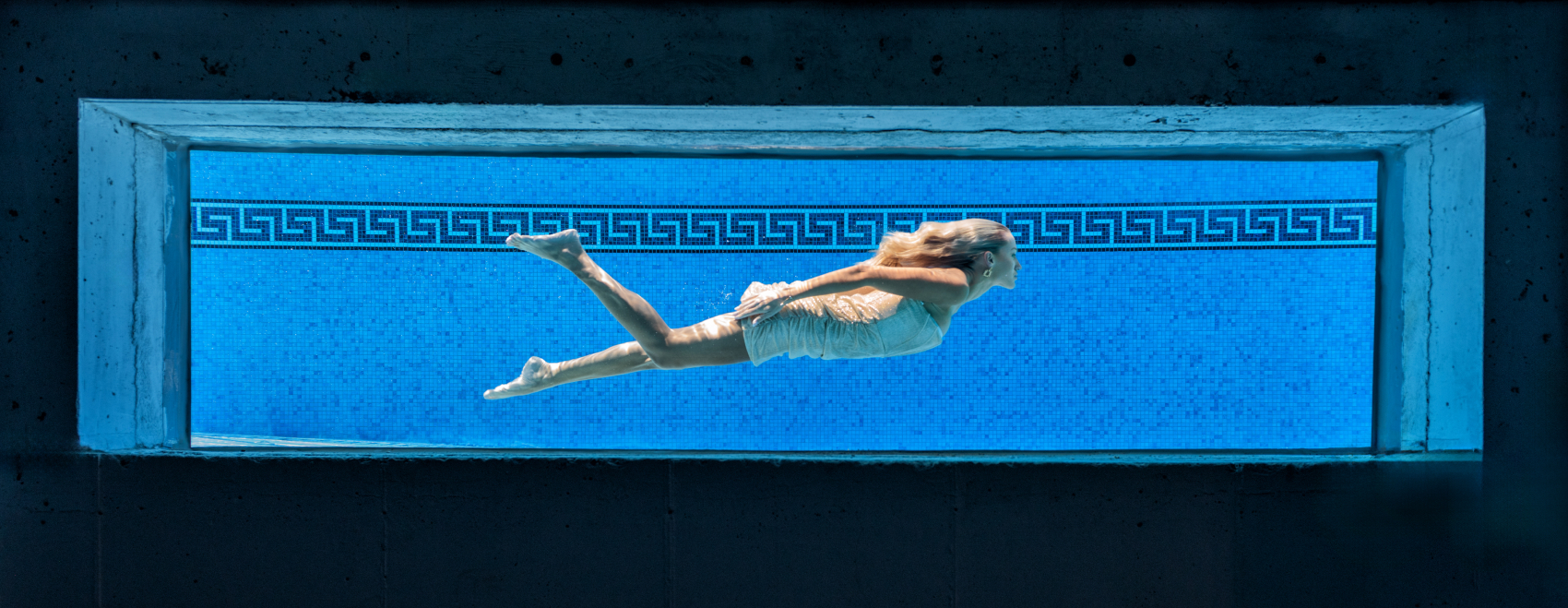
A window set into a pool wall is the most common acrylic application and the most forgiving, because the surrounding shell carries most of the load. Size is what drives the engineering. A small porthole and a full-height viewing window are different structural problems, and the panel thickness climbs quickly with depth and span.
- Panel sized to water depth, span, and the opening the shell can accommodate
- Edge restraint and sealing detailed for permanent watertightness
- Views coordinated with interior sightlines and finished floor levels
Acrylic Pool Walls
A full transparent wall removes the structure that would normally hold the water back, so the acrylic becomes the wall. Thickness, deflection, and the frame carrying the panel all have to be resolved against the full hydrostatic load, and there is no margin to absorb an error.
- Full hydrostatic load carried by the panel and its supporting frame
- Deflection limits set so the wall reads flat under pressure
- Structural coordination with the shell, the deck, and the building beyond it
Acrylic Pool Floors
An acrylic floor puts water above occupied space, which changes the problem entirely. The panel carries live load from swimmers, dead load from the water, and the consequences of failure are different from a wall. Waterproofing, structural support, and access for maintenance all have to be designed together.
- Panel engineered for combined water load and live load from bathers
- Waterproofing and drainage detailed for the space below
- Support structure coordinated with the building framing
Swim-Up Windows & Tunnels
Windows between two vessels, tunnels running beneath a pool, and pass-throughs into interior spaces all involve acrylic loaded from more than one direction. Geometry gets complicated fast, and curved or formed panels bring their own fabrication constraints.
- Curved and formed panels engineered with the fabrication partner
- Multi-directional loading resolved across joints and transitions
- Sightlines and optical clarity considered alongside the structure
Fully Acrylic Vessels
A complete acrylic pool or spa is the most demanding version of this work. Every surface is a panel, every joint is structural, and the vessel has to be supported without introducing point loads anywhere along it.
- Full vessel engineering including joints, seams, and support
- Structural coordination for rooftop, elevated, and interior installations
- Weight and access planned for delivery and placement on site
Water Features & Architectural Elements
Acrylic used outside a pool. Illuminated walls, decorative panels, aquarium features, and architectural glazing integrated with water all use the same material under different conditions.
- Panels engineered for the specific water feature and mounting condition
- Lighting and illumination integrated into the design
- Material and finish specified for the exposure the element will face
How It Works
Every project starts with a conversation about your site and what you want the acrylic to do.
Schedule a call
We review your project, your site, and what you have in mind for the acrylic. You leave the call knowing whether it is feasible, roughly what it involves, and whether we are a fit.
Engineering And Documentation
We calculate the panel, the structure carrying it, and the details where the two meet, then produce the shop drawings your fabricator builds from. Nothing gets ordered until the engineering is resolved.
Support Through Construction
We review submittals, coordinate fabrication against the site work, and stay on the project through delivery and installation so the panel fits the opening built for it.
Precise Engineering meets meticulous design
At Smart Aquatics, we merge creativity with precision to engineer aquatic environments that perform as beautifully as they look. Every design begins with an architectural vision. Our role is to translate that vision into a buildable, lasting reality. Our approach blends advanced structural, hydraulic, and mechanical engineering with artistic design sensibility, ensuring full integration between form and function.
From luxury residential pools to large-scale commercial installations, our systems are engineered for durability, efficiency, and sustainability. Using cutting-edge modeling and visualization tools, we anticipate challenges before construction begins, saving clients time, cost, and complexity. The result is a perfectly balanced aquatic experience, crafted for performance, built for longevity, and designed to inspire.
Work gallery
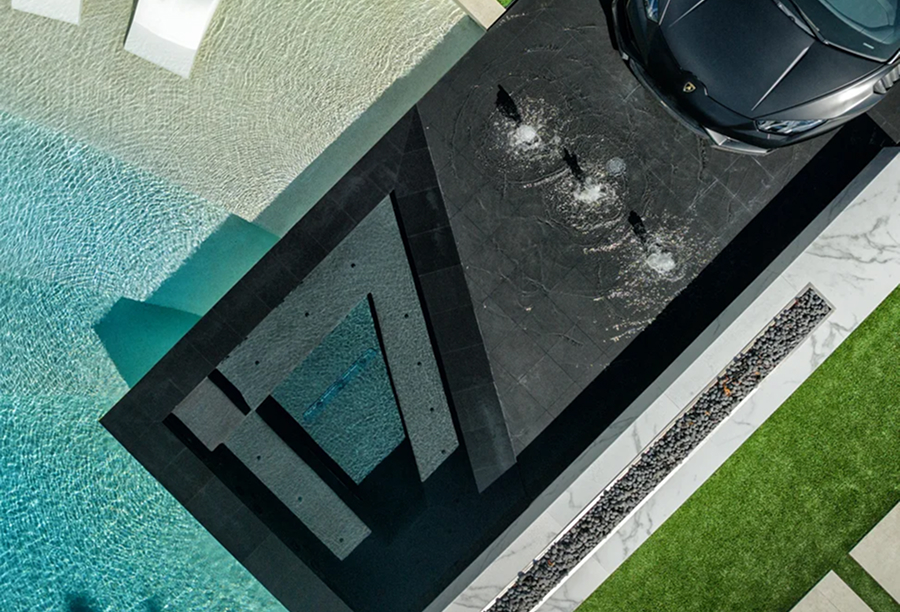
Short description here
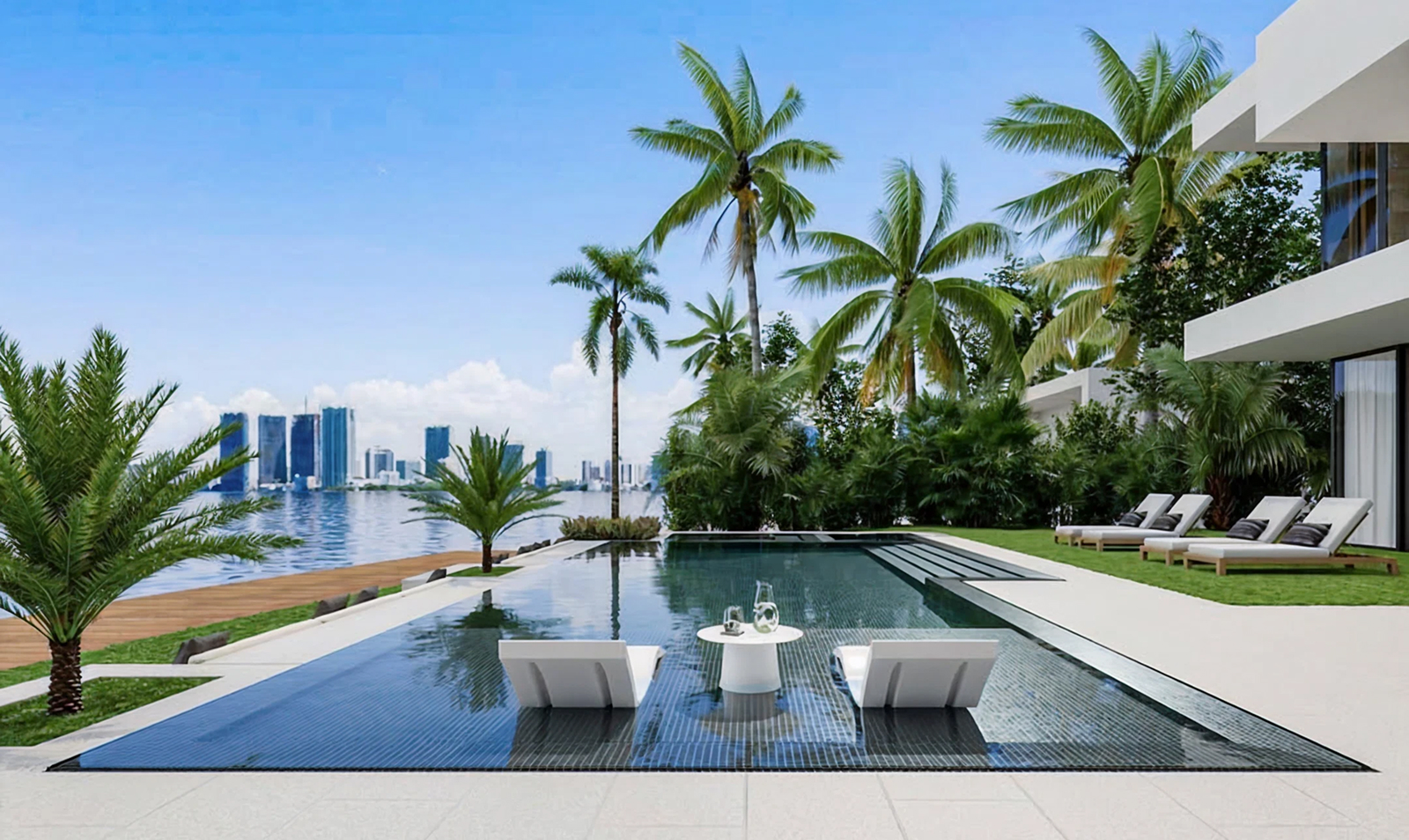
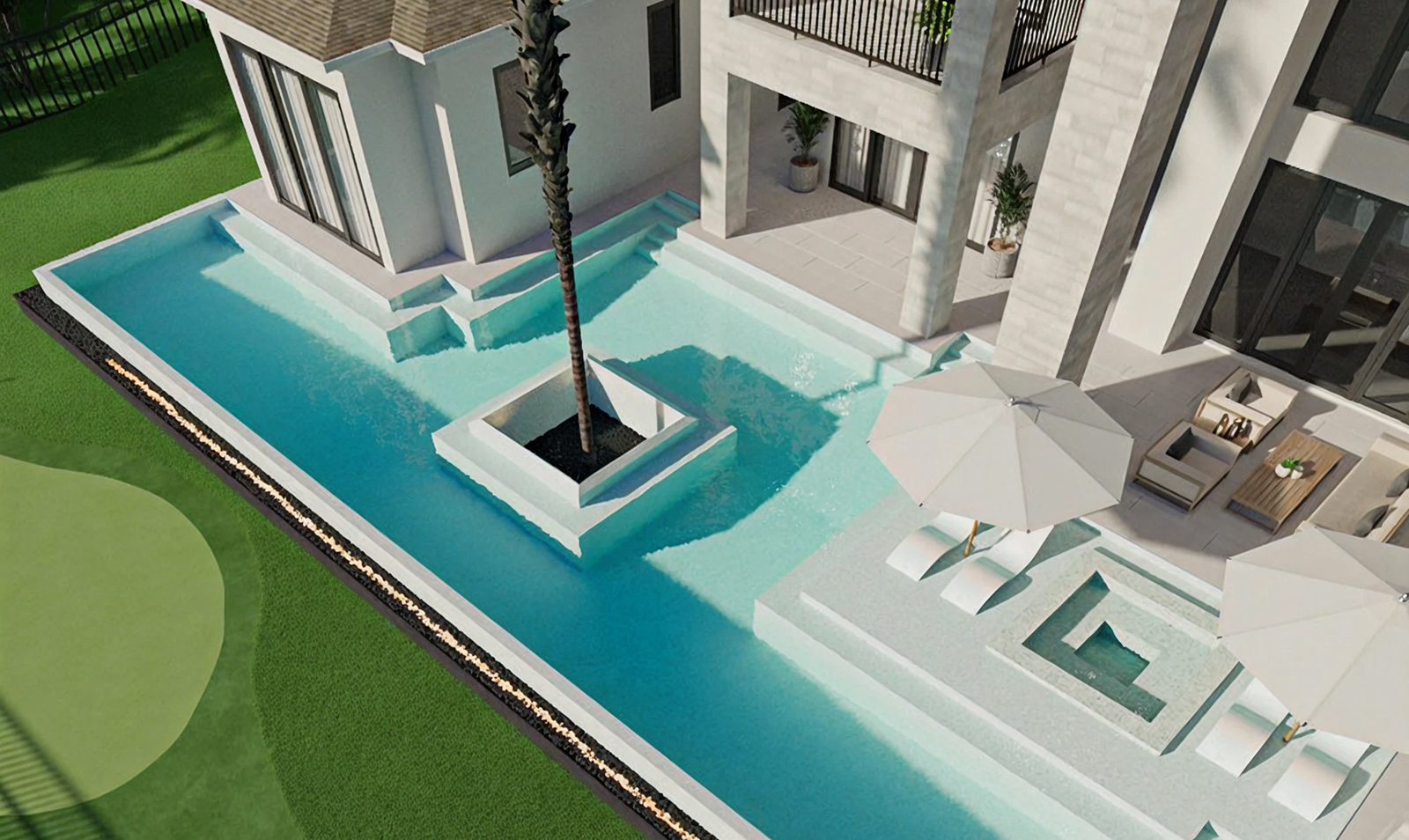


Headline goes here
At Smart Aquatics, we merge creativity with precision to engineer aquatic environments that perform as beautifully as they look. Every design begins with an architectural vision—and our role is to translate that vision into a buildable, lasting reality. Our approach blends advanced structural, hydraulic, and mechanical engineering with artistic design sensibility, ensuring seamless integration between form and function.
From luxury residential pools to large-scale commercial installations, our systems are engineered for durability, efficiency, and sustainability. Using cutting-edge modeling and visualization tools, we anticipate challenges before construction begins, saving clients time, cost, and complexity. The result is a perfectly balanced aquatic experience—crafted for performance, built for longevity, and designed to inspire.
Trusted by the Visionaries We Serve

“I have worked with Smart Aquatics for a few years now and I all I can say is these guys deliver! They have worked with us from the conceptuals to engineered plans and definitely still on board to see their vision through. Jonny is at the helm and a tried and true veteran and his communication is the best of the best. His team is very broad with a long arm. I usually deal with Bruna on the invoicing and coordination of teams calls and she is wonderful. So many talented designers on board. Simon and the whole team will deliver every time on time. I would give Smart Aquatics 10 stars if that was possible!”


“Loved working with Jonny. Very detailed and innovative company. If you’re looking to build a custom project this should be your first call, they will get you on the right path and support you throughout the build.”

Why we stand out
Unmatched Technical Expertise
With decades of hands-on experience, we solve complex design challenges others can’t. We engineer water systems that perform flawlessly under the even the most demanding conditions.
Architectural Collaboration
We speak the language of architects, designers, and builders, integrating our work into high-end projects while preserving aesthetic integrity and design intent.
Innovation Without Limits
From movable floors to acrylic structures, our team embraces emerging technologies to push the boundaries of what water can do in modern design.
FAQs
Still have questions? Read All FAQs
How thick does the acrylic need to be?
It depends on water depth, the unsupported span of the panel, and how much deflection the design can tolerate. A small window in a shallow pool and a full-height wall in a deep one are different structural problems, and thickness climbs fast as either dimension grows. We calculate it for your specific vessel rather than working from a standard chart.
Does acrylic yellow or scratch over time?
Acrylic can do both, which is why the grade, the coatings, and the maintenance approach get specified alongside the panel. Cast acrylic holds up to UV far better than extruded, and most clouding traces back to cleaning with the wrong chemicals rather than to the material itself. Specified and maintained correctly, the panel stays clear for decades.
Is acrylic safe at that scale?
Acrylic is significantly stronger than glass at equivalent thickness and fails differently, without shattering. The safety comes from the engineering rather than the material, which is why panel thickness, edge restraint, and the supporting structure all get calculated for the full hydrostatic load with appropriate factors applied.
Can you add acrylic to an existing pool?
Sometimes. It depends on the shell construction, the structure around the proposed opening, and whether the vessel can be modified without compromising it. We assess what is actually there before giving an answer, and if it cannot be done safely, we will tell you that rather than engineer around it.
Do you fabricate the panels?
No. We engineer the panel and the structure that carries it, produce the shop drawings, and coordinate with the fabrication partner who manufactures it. Keeping engineering separate from fabrication means the specification is written for your project rather than for what a particular manufacturer prefers to produce.
Still have questions?
thinking about acrylic panels?
Tell us what you have in mind and we will tell you whether it can be built, what it involves, and what it will take to engineer.